What nobody tells you before visiting Japan
Japan is one of the most visitor-friendly countries in the world. It's also one of the most quietly rule-based — and those rules are almost never explained in any guidebook.
Here's what actually matters before you go.
Get a Suica or Pasmo card the moment you land
Narita and Haneda both have IC card machines near the arrivals exit. Load ¥2,000–3,000 onto a Suica card. It works on almost every train, subway, and bus in Japan. It works in convenience stores. It works in some vending machines.
Without one, you'll spend your first hour staring at ticket machines in kanji trying to calculate the fare to your hotel. With one, you tap in, tap out, and walk.
Most travellers figure this out by day two. Do it in the first twenty minutes.
The shoe rule is serious
Temple and ryokan etiquette around shoes is not the casual suggestion it sometimes appears in guidebooks. You will need to remove shoes when entering a tatami room, many restaurants, and almost all shrines and temples. Footwear that is easy to remove and put back on — without bending down — matters more than it sounds when you're doing it fifteen times a day.
Also relevant: no holes in your socks. Not a joke.
Vending machines are infrastructure
Japan has approximately 4 million vending machines. They sell hot canned coffee, cold tea, soup, beer, umbrellas, and occasionally things that don't translate. What matters to you: hot drinks in winter. A 120-yen can of hot coffee or green tea from a vending machine at 7 AM in Kyoto in February is one of the small perfect things about travelling in Japan.
"Japan rewards the traveller who stops rushing. The ones who sit with the vending machine coffee and watch the city wake up."
Cash still rules
Japan is rapidly going cashless — but rapidly, in Japan, means slowly by international standards. Rural areas, small ramen shops, older izakayas, and most temples accept cash only. Budget ¥10,000–15,000 per day in cash, especially outside Tokyo and Osaka.
7-Eleven and Japan Post ATMs accept international cards. Convenience stores are everywhere — this is not a problem as long as you know it exists.
Three things that aren't in guidebooks
-
Convenience stores are not a fallback. Lawson, 7-Eleven, and FamilyMart sell genuinely good food — onigiri, soba, hot oden in winter. Eating two meals a day from konbini is not a compromise. It's part of the experience.
-
The last train is real. Trains stop around midnight. Uber exists but is expensive. Know when your last connection runs before you have your fourth whisky highball.
-
Nobody talks on the train. Not a rule, just a norm. Phone calls are genuinely frowned upon. It's the quietest metro you will ever use. Enjoy it.
Best time to visit
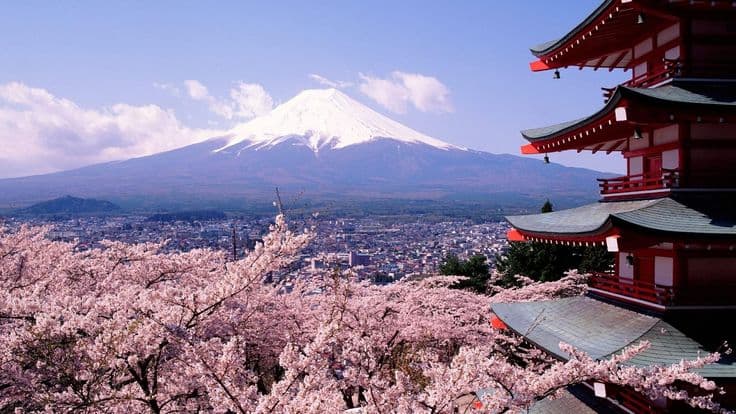
Cherry blossom season (late March to mid-April) is beautiful and fully booked eighteen months in advance. Autumn (October–November) has incredible foliage, fewer crowds, and arguably better weather. If you're flexible, plan for November.
Planning Japan? Talk to a trip expert and we'll design an itinerary that goes beyond the obvious stops.