
First Steps in Bhutan: What Nobody Warns You About
You land in Paro at what feels like the edge of the world. The runway is famously short, flanked by pine-covered slopes, and the descent is a stomach-dropping bank that leaves you gripping your armrest and grinning. Before you've collected your bag, Bhutan is already telling you it does things differently.
The silence is the first thing
Most travellers talk about the landscape — the dzongs, the monasteries, the improbable cliffside temples. What they rarely mention is the quiet. Not the absence of noise, exactly, but a different relationship with it. Towns here don't bustle. They hum. Even Thimphu, the capital, feels like a market town that decided a long time ago not to grow up.
"Bhutan doesn't reveal itself to you. It waits for you to slow down enough to notice it."
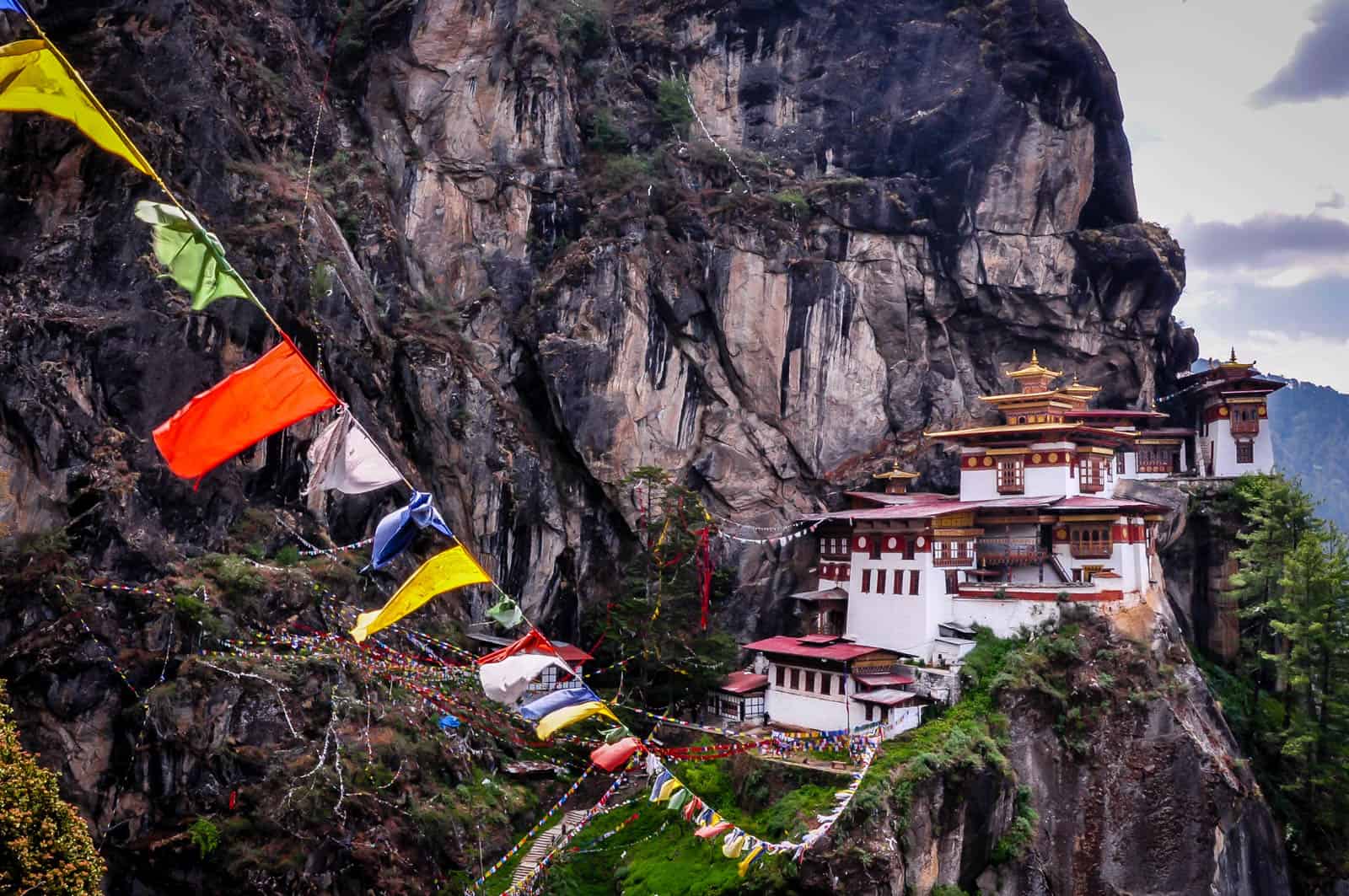
We arrived jet-lagged and itchy for checklist sights. Our guide, Dorji, gently talked us out of rushing Tiger's Nest on day one. "Tomorrow," he said. "Tonight, just walk." Best advice we received on that entire trip.
What the altitude does to your plans
The country sits at an average elevation of 3,280 metres. At Thimphu (2,320m), most travellers feel fine. Push higher into Bumthang or Gasa, and altitude becomes a co-author of your itinerary. We built in two acclimatisation days — and used every minute of them sleeping, eating, and staring at valleys.
Pack your plans loosely.
The price includes more than you think
Bhutan's Sustainable Development Fee (SDF) runs $100/day per person (as of late 2025). It's a common point of sticker shock. What it buys: near-zero overtourism. The Tiger's Nest trail at 7 AM had maybe forty people on it. Forty, at one of the most photographed sites in Asia.
In that sense, the price is the experience.
Three things we wish we'd known
-
Your guide is your most important luggage. A good Bhutanese guide translates not just language but context — the iconography on a monastery wall, the reason a particular prayer flag is that colour, the name of the bird calling from the next valley.
-
The food rewards curiosity. Ema datshi (chillies with cheese) is the national dish, and yes, it will test you. Eat it anyway. Repeat.
-
Build in a do-nothing day. Bhutan is full of travellers on tight itineraries racing between sites. The ones who sit by a river for an afternoon come home changed.
Planning a trip to Bhutan? Talk to a trip expert and we'll design it around you.